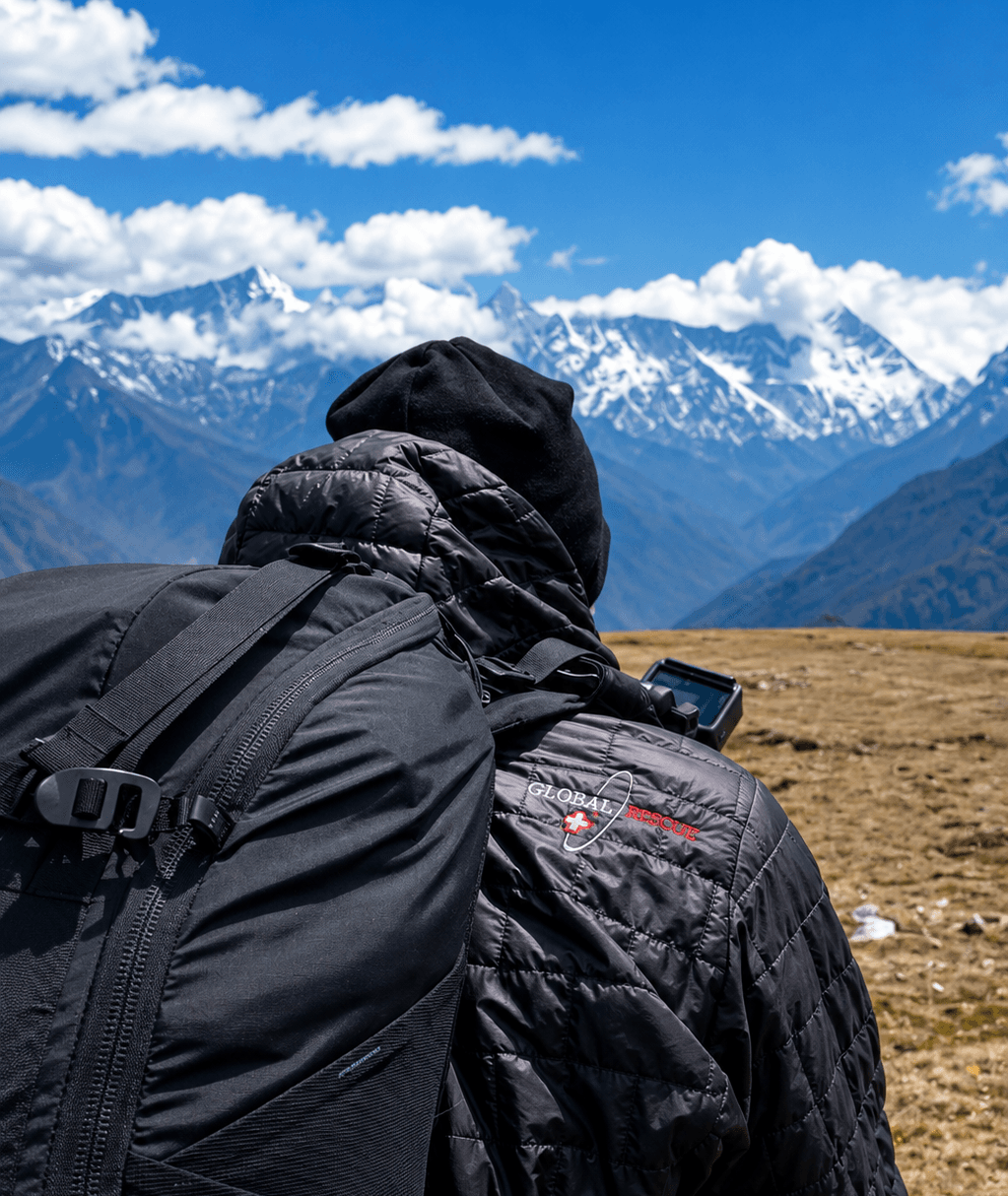
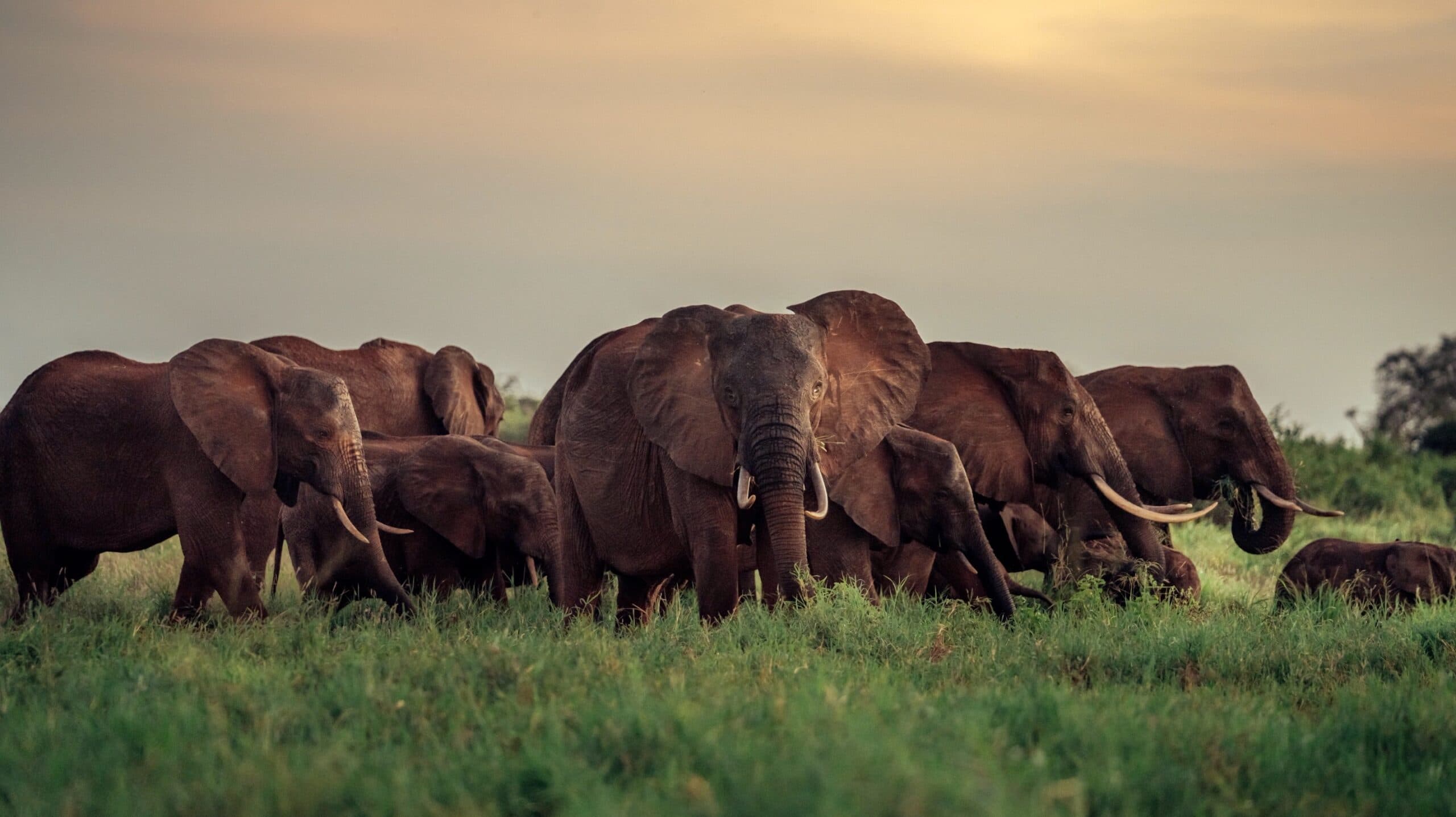
When most people think of an African safari, they picture game drives in search of the Big Five—lion, leopard, elephant, buffalo, and rhino. And while East Africa certainly delivers on that front, the region offers so much more. From intimate primate encounters to dramatic seasonal migrations, East Africa is home to some of the world's most unique and exclusive wildlife experiences—many of which can't be found anywhere else on the continent.
1. Gorilla Trekking in Uganda and Rwanda
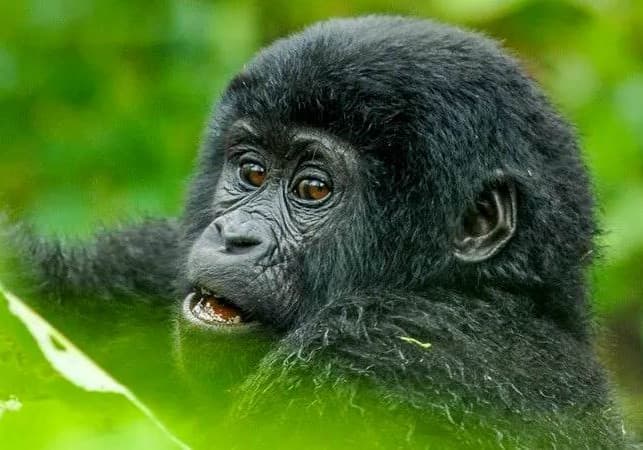
Few wildlife experiences compare to the emotional intensity of sitting quietly in a misty forest, just meters away from a family of mountain gorillas. With only around 1,000 mountain gorillas left in the wild, this is one of the rarest and most protected encounters on Earth.
Where: Bwindi Impenetrable Forest and Mgahinga Gorilla National Park (Uganda); Volcanoes National Park (Rwanda)
What Makes It Special:
Mountain gorillas are found nowhere else in the world except the Virunga Massif and Bwindi. Trekking to find them involves hiking through dense, ancient forests—sometimes for hours—before spending up to one hour observing a habituated gorilla family. Watching silverbacks, mothers, and playful juveniles interact in their natural habitat is a humbling, life-changing experience.
Insider Tip:
For an even deeper encounter, consider Uganda's Gorilla Habituation Experience in Bwindi's Rushaga sector, where you can spend up to four hours with a gorilla family that is still being habituated to human presence. It's a rare chance to see gorillas in a more natural, less structured setting.
2. The Great Migration: A Moving Feast for Predators
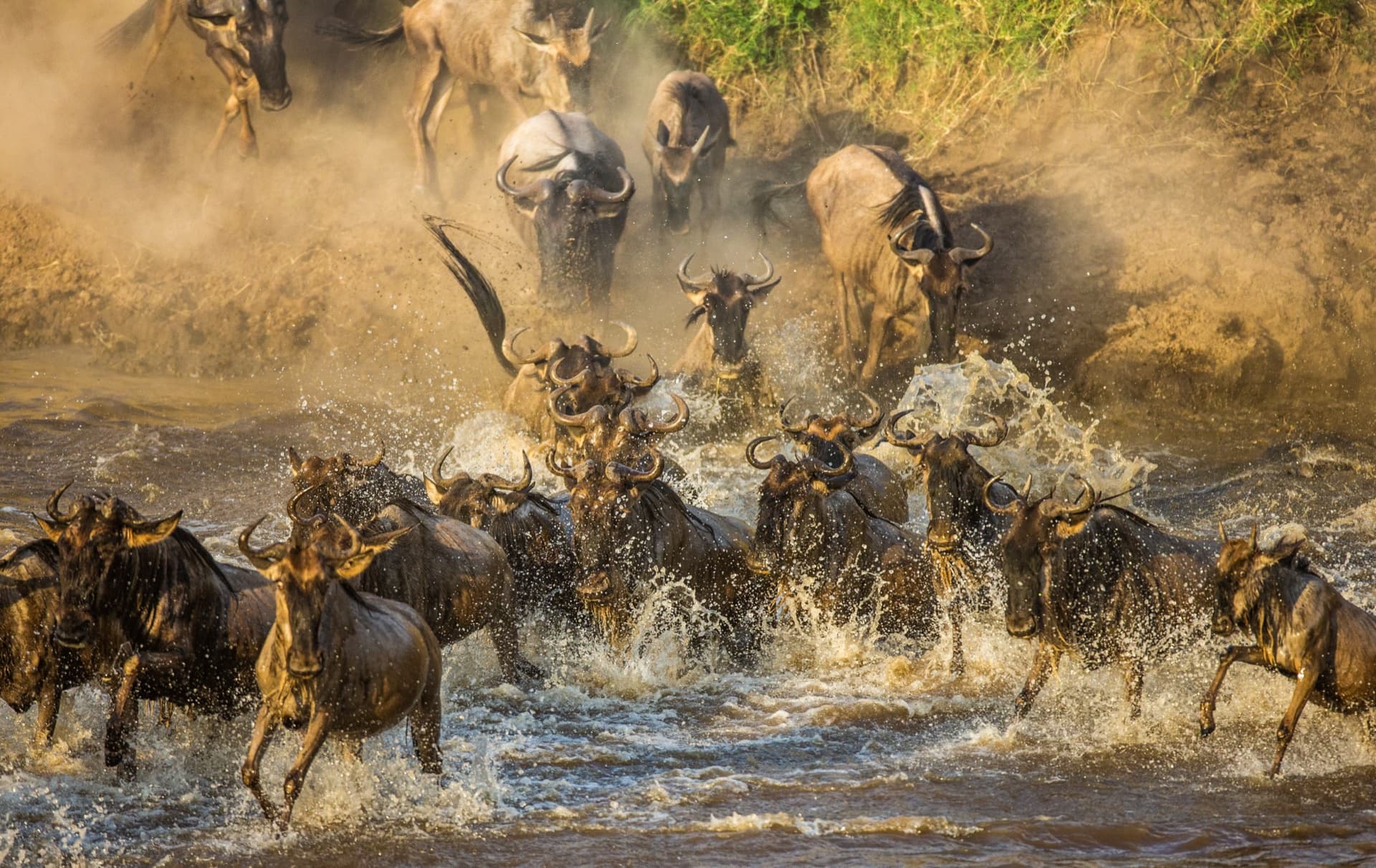
The Great Migration is often described as the greatest wildlife show on Earth, and for good reason. Over two million wildebeest, zebras, and gazelles move in a continuous loop between Tanzania's Serengeti and Kenya's Maasai Mara, following the rains in search of fresh grazing.
Where: Serengeti National Park (Tanzania) and Maasai Mara (Kenya)
What Makes It Special:
This isn't a one-time event—it's a year-round cycle of survival. Depending on when you visit, you might witness river crossings at the Mara and Grumeti rivers (July to October), calving season in the southern Serengeti (January to February), or the vast herds on the move across the plains. Predators—lions, leopards, cheetahs, and crocodiles—are never far behind, making for dramatic, heart-pounding game viewing.
Insider Tip:
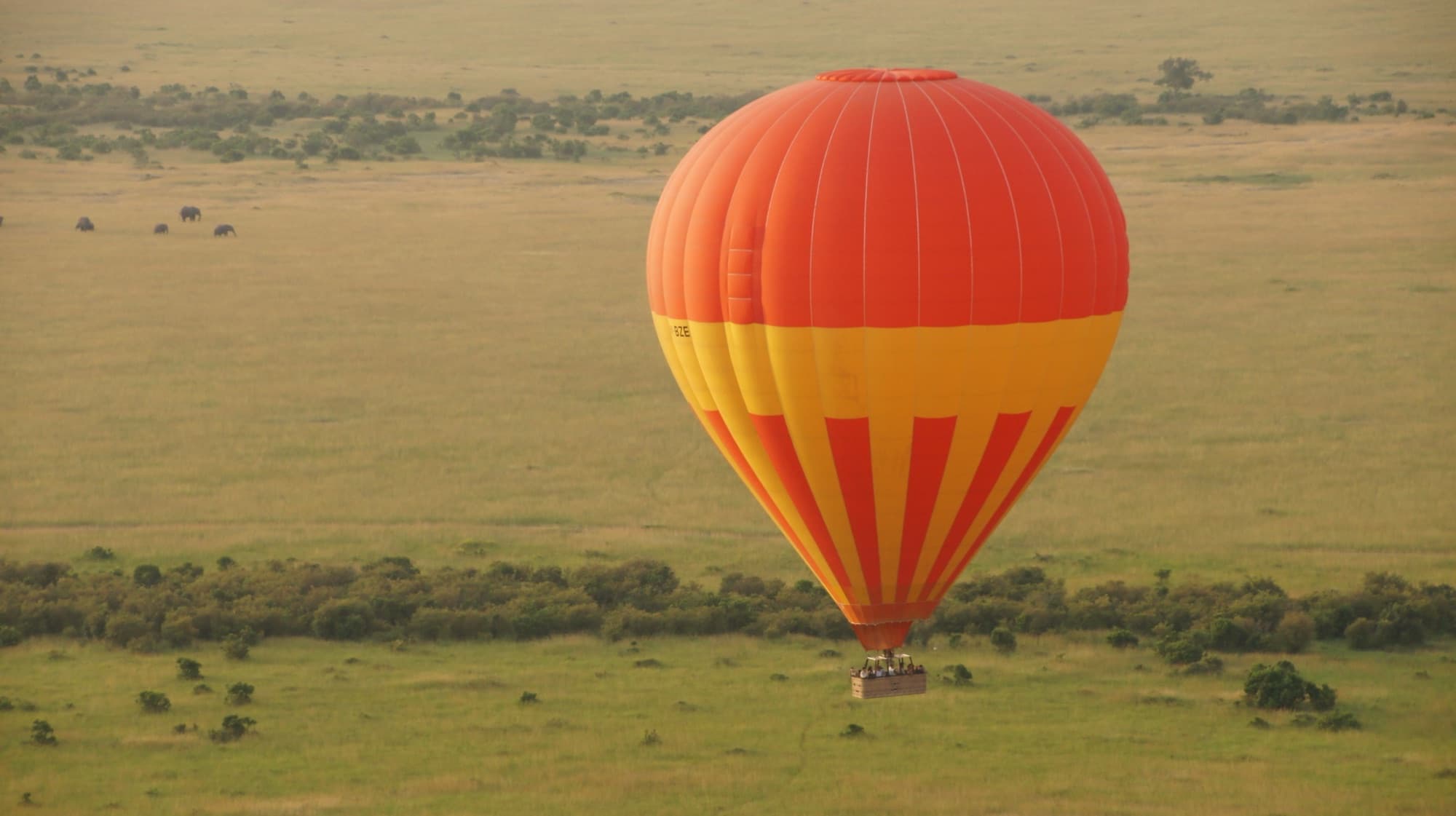
For a truly unique perspective, take a hot air balloon safari over the Mara at sunrise. Watching the herds from above, with the sun rising over the savannah, is an unforgettable experience.
3. Chimpanzee Tracking in Kibale and Nyungwe Forests
If gorillas are the kings of the forest, chimpanzees are the acrobats. Tracking chimpanzees through the dense, tropical forests of Uganda and Rwanda offers a completely different primate experience—one that's loud, energetic, and endlessly entertaining.
Where: Kibale Forest National Park (Uganda); Nyungwe Forest National Park (Rwanda)
What Makes It Special:
Chimpanzees are highly social and vocal, so a trek through their habitat is filled with hoots, calls, and the sound of branches snapping as they swing through the canopy. Kibale is home to over 1,500 chimpanzees and boasts a 95% sighting success rate. Nyungwe, on the other hand, is one of Africa's oldest rainforests and offers a more remote, untouched trekking experience.
Insider Tip:
For a deeper connection, opt for the Chimpanzee Habituation Experience in Kibale's Kanyanchu area, where you can spend a full day with researchers as they habituate a wild chimpanzee community.
4. Walking Safaris: On Foot in the African Bush
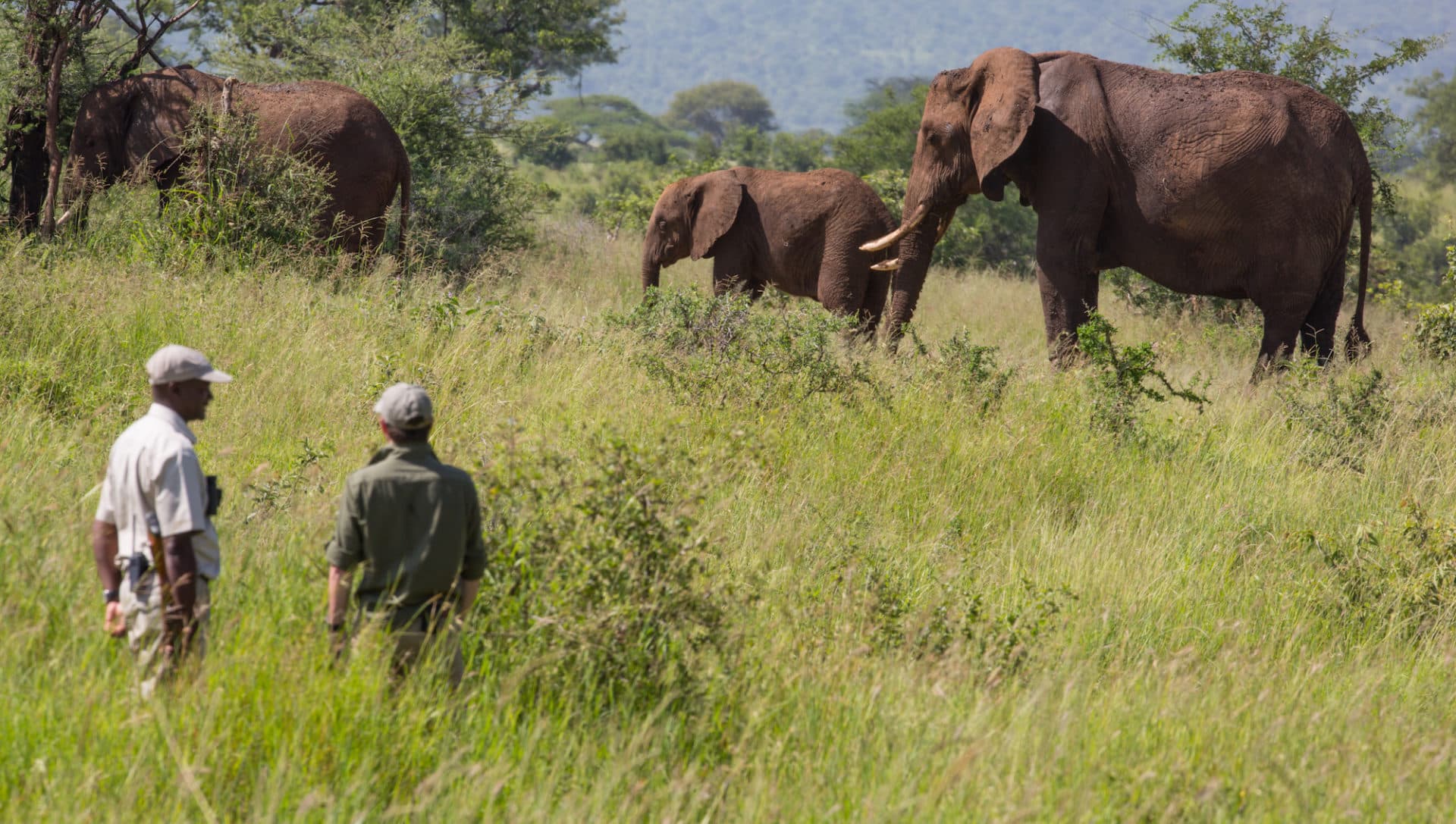
There's no better way to truly understand the African wilderness than by walking through it. Walking safaris strip away the barriers of a vehicle, immersing you in the sights, sounds, and smells of the bush.
Where: Laikipia (Kenya); Ruaha and Selous/Nyerere (Tanzania); South Luangwa (Zambia—just outside East Africa but worth mentioning)
What Makes It Special:
On foot, every sense is heightened. You notice the small things—dung beetles, animal tracks, bird calls—and gain a deeper appreciation for the ecosystem. Walking safaris are led by expert armed guides who teach you how to read the bush, track animals, and stay safe in the presence of wildlife. It's intimate, exhilarating, and far more immersive than a game drive.
Insider Tip:
Laikipia in Kenya offers some of the best walking safaris in East Africa, with conservancies like Lewa, Ol Pejeta, and Loisaba offering multi-day walking safaris with mobile camps.
5. Night Game Drives: The Bush After Dark
Once the sun sets, a completely different cast of characters emerges. Night game drives reveal the nocturnal side of the African bush, offering sightings you'd never see during the day.
Where: Private conservancies in Laikipia and the Maasai Mara (Kenya); Ruaha and Selous/Nyerere (Tanzania)
What Makes It Special:
With spotlights scanning the darkness, you might encounter elusive predators like leopards and caracals, as well as smaller nocturnal creatures such as genets, civets, aardvarks, and porcupines. Hearing the sounds of the bush at night—hyena calls, lion roars, and the rustle of unseen animals—is thrilling and slightly unnerving in the best way.
Insider Tip:
Night drives are only permitted in private conservancies and certain national parks (not in most Kenyan or Tanzanian national parks), so plan your itinerary accordingly.
6. Fly Camping: Sleeping Under the Stars
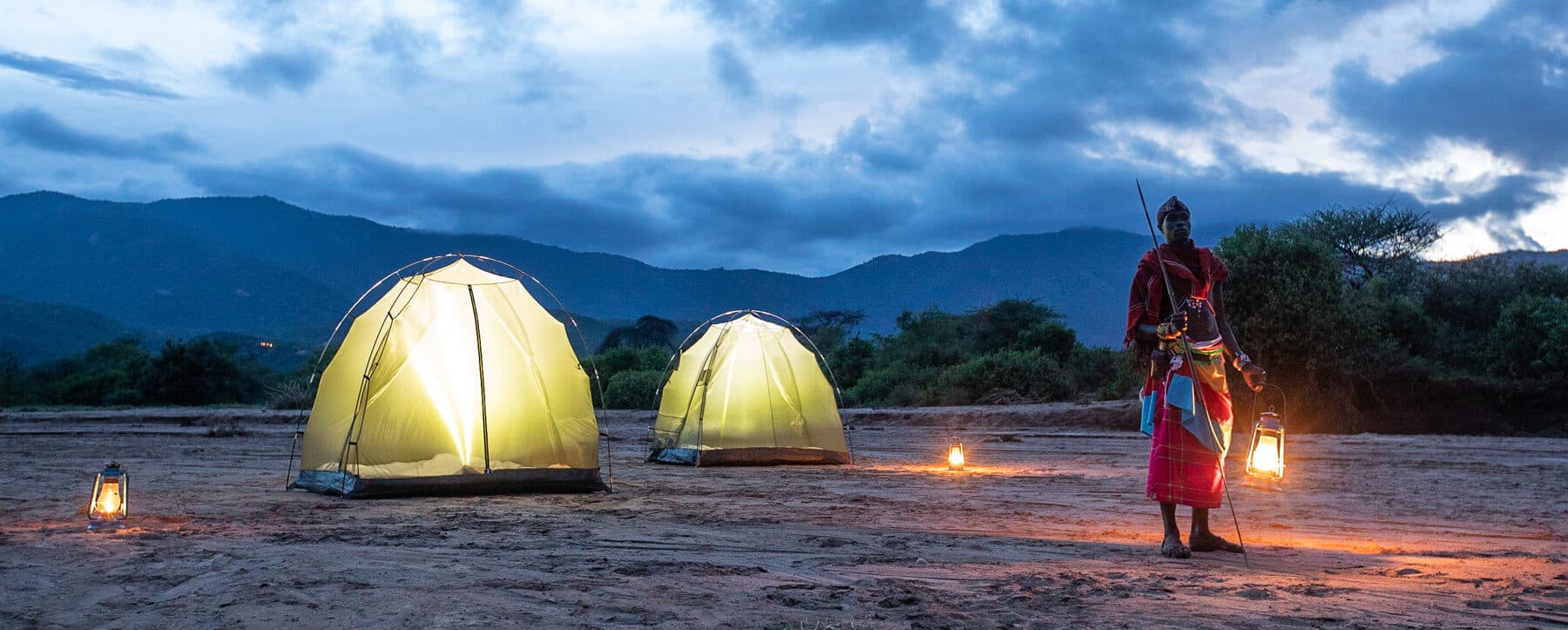
For the ultimate wilderness experience, nothing beats fly camping—a lightweight, mobile camp set up in the heart of the bush, often without permanent structures between you and the African night sky.
Where: Laikipia (Kenya); Ruaha and Selous/Nyerere (Tanzania)
What Makes It Special:
Fly camping is raw, immersive, and intimate. You sleep in simple bedrolls or small tents, often with nothing but a campfire and the sounds of the bush around you. It's a chance to disconnect completely and experience the wilderness as early explorers did—albeit with the safety of experienced guides and armed rangers.
Insider Tip:
Some lodges, like Saruni in Samburu and Nomad Tanzania's camps in Ruaha, offer multi-night fly camping expeditions that combine walking safaris with nights under the stars.
7. Birdwatching: East Africa's Avian Diversity
East Africa is a birdwatcher's paradise, with over 1,400 species recorded across the region. From massive raptors to tiny, jewel-like sunbirds, the diversity is staggering.
Where: Lake Naivasha and Lake Nakuru (Kenya); Ngorongoro Crater and Lake Manyara (Tanzania); Nyungwe Forest (Rwanda)
What Makes It Special:
Whether you're a serious birder or a casual enthusiast, East Africa's birdlife adds another layer of richness to any safari. Look out for iconic species like the lilac-breasted roller, superb starling, and African fish eagle. The Great Rift Valley's lakes are particularly spectacular for waterbirds, including flamingos, pelicans, and herons.
Insider Tip:
Nyungwe Forest in Rwanda is home to several Albertine Rift endemics—species found nowhere else in the world—making it a must-visit for serious birders.
8. Cultural Encounters: Meeting East Africa's Indigenous Peoples
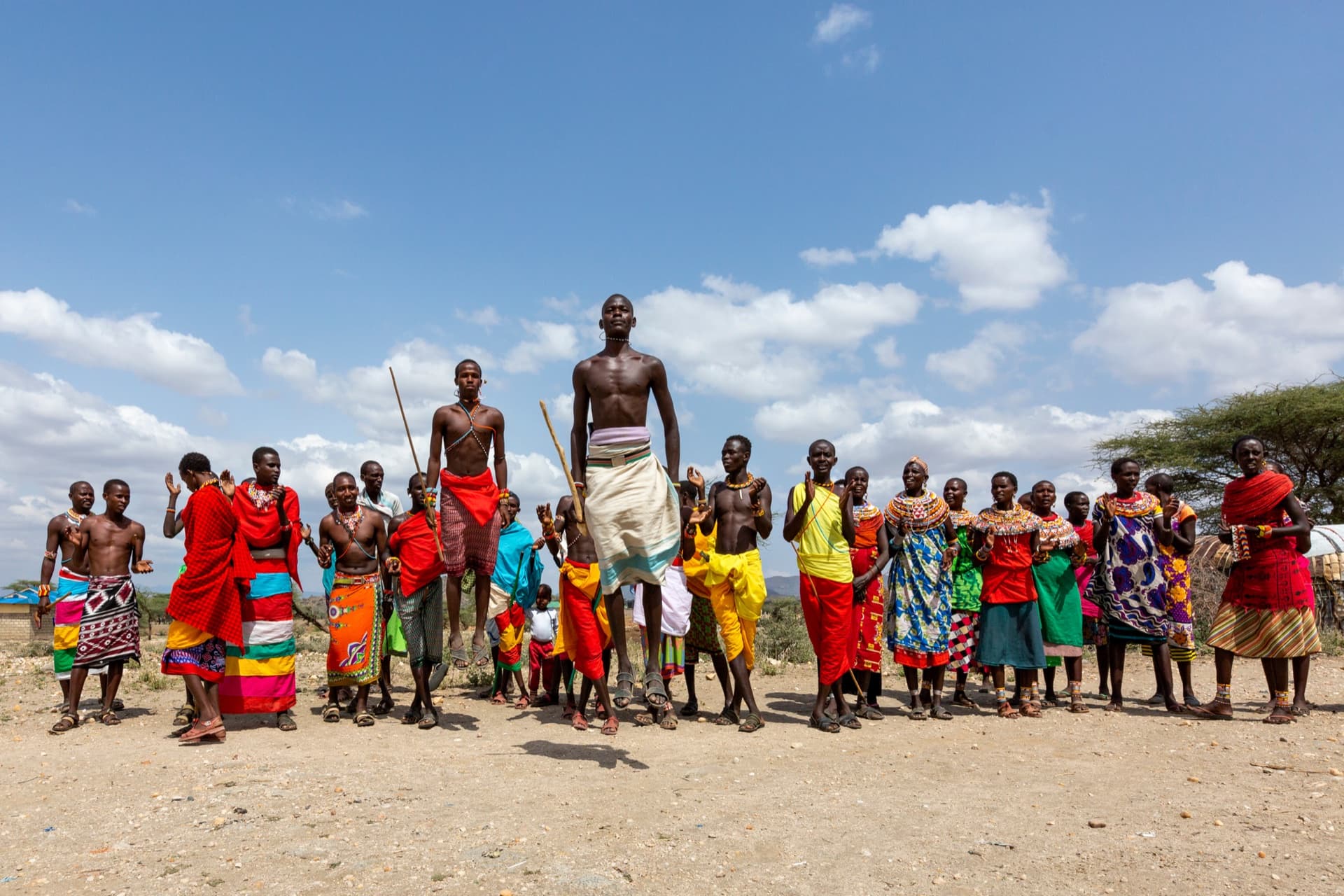
East Africa's wildlife is extraordinary, but so are its people. Cultural encounters with communities like the Maasai, Samburu, Hadzabe, and Batwa offer a deeper understanding of the region's heritage and traditions.
Where: Maasai Mara and Laikipia (Kenya); Serengeti and Lake Eyasi (Tanzania); Volcanoes National Park (Rwanda)
What Makes It Special:
Visiting a Maasai village, learning to track game with the Hadzabe hunter-gatherers, or hearing the Batwa's stories of life in the forest adds cultural depth to any safari. These encounters are most meaningful when done thoughtfully, through community-led initiatives that benefit local people directly.
Insider Tip:
In Tanzania, a visit to Lake Eyasi to spend time with the Hadzabe and Datoga tribes offers a fascinating glimpse into ancient ways of life.
East Africa's safari experiences go far beyond the Big Five. From the dense forests of the Virunga Mountains to the endless plains of the Serengeti, the region offers encounters that are rare, exclusive, and utterly unforgettable. Whether you're tracking gorillas, walking with Maasai guides, or sleeping under the stars in a fly camp, these experiences connect you to the wild in ways that a traditional game drive simply can't.
Ready to design your own unique East African adventure? Get in touch with us to create a tailor-made safari that goes beyond the ordinary.