Kenya offers a wide range of safari experiences beyond the traditional game drive, with walking safaris and camel safaris standing out as two of the most immersive ways to explore its landscapes. Both offer a slower, more considered approach to travel, but they differ significantly in pace, focus, and overall experience.
For travel designers and clients alike, understanding these differences is key to selecting the right fit within an itinerary.
What Is a Walking Safari?
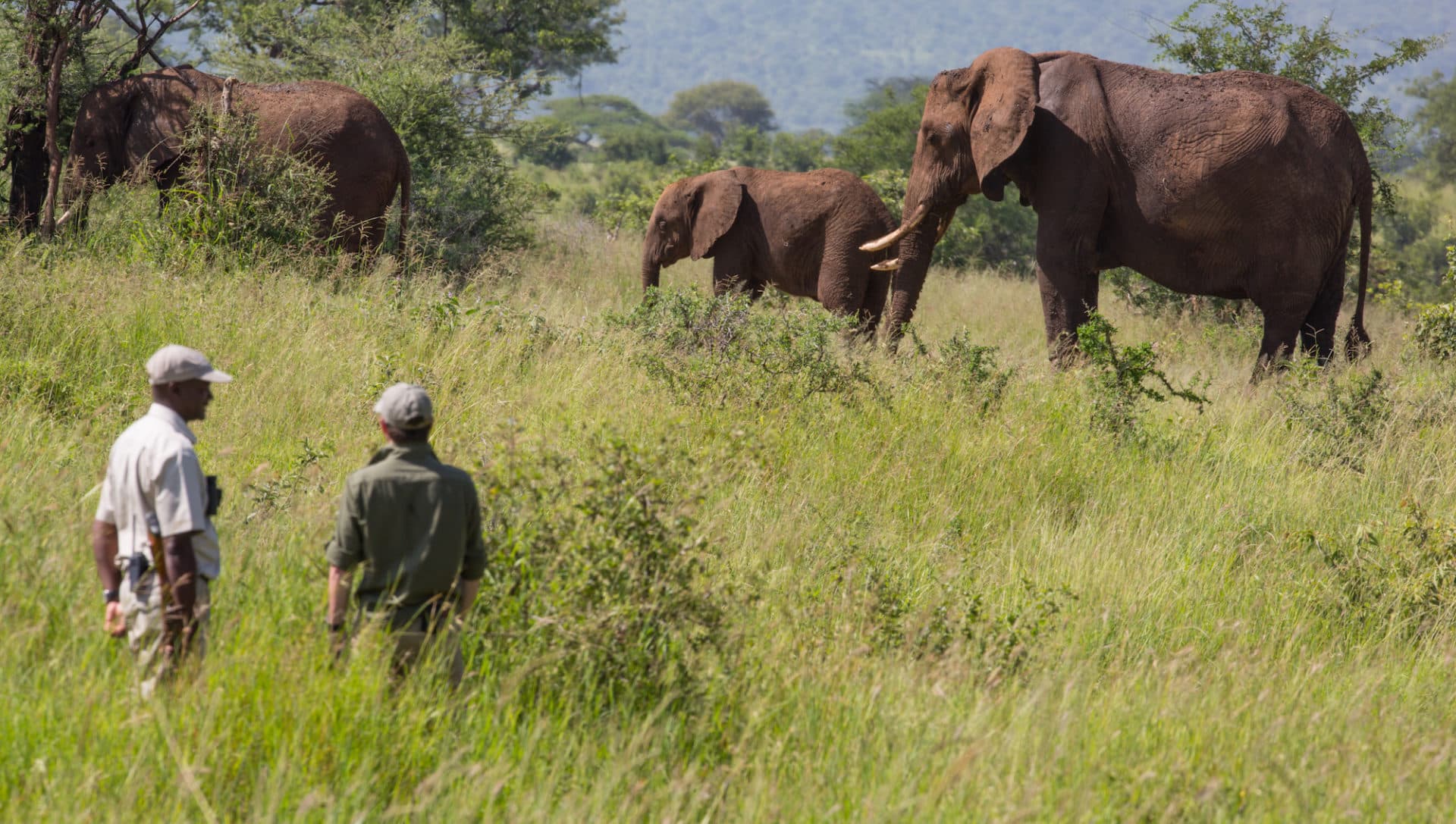
A walking safari is a guided experience on foot, typically led by highly trained guides and trackers. It is most commonly offered within private conservancies, where the environment allows for a safe and controlled exploration of the landscape.
The focus is on detail rather than distance. Guests learn to read tracks, understand animal behaviour, and engage with the smaller elements of the ecosystem that are often missed from a vehicle.
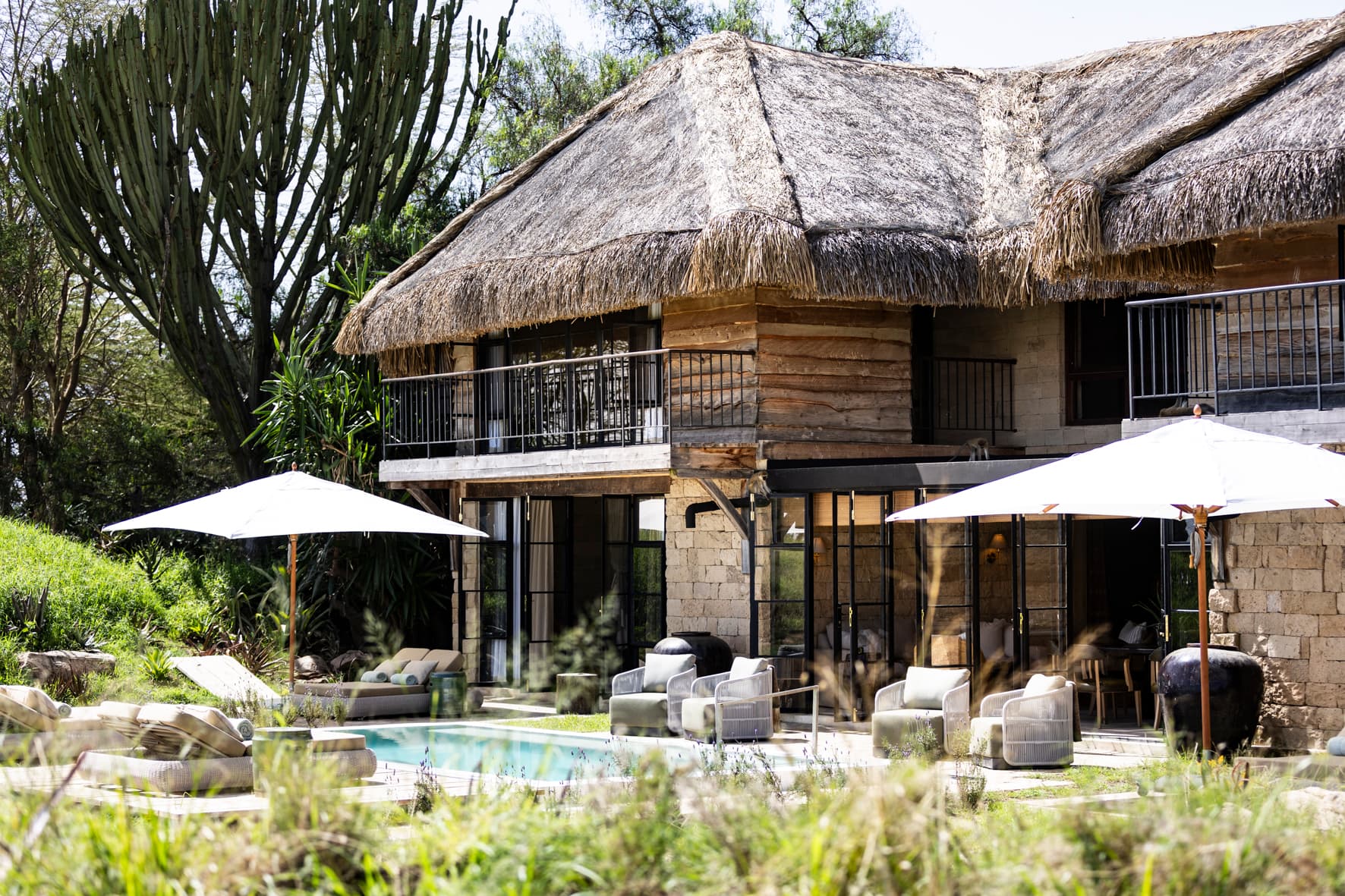
Walking safaris are usually offered as shorter excursions, either in the early morning or late afternoon, and are often combined with a traditional lodge stay.
What Is a Camel Safari?
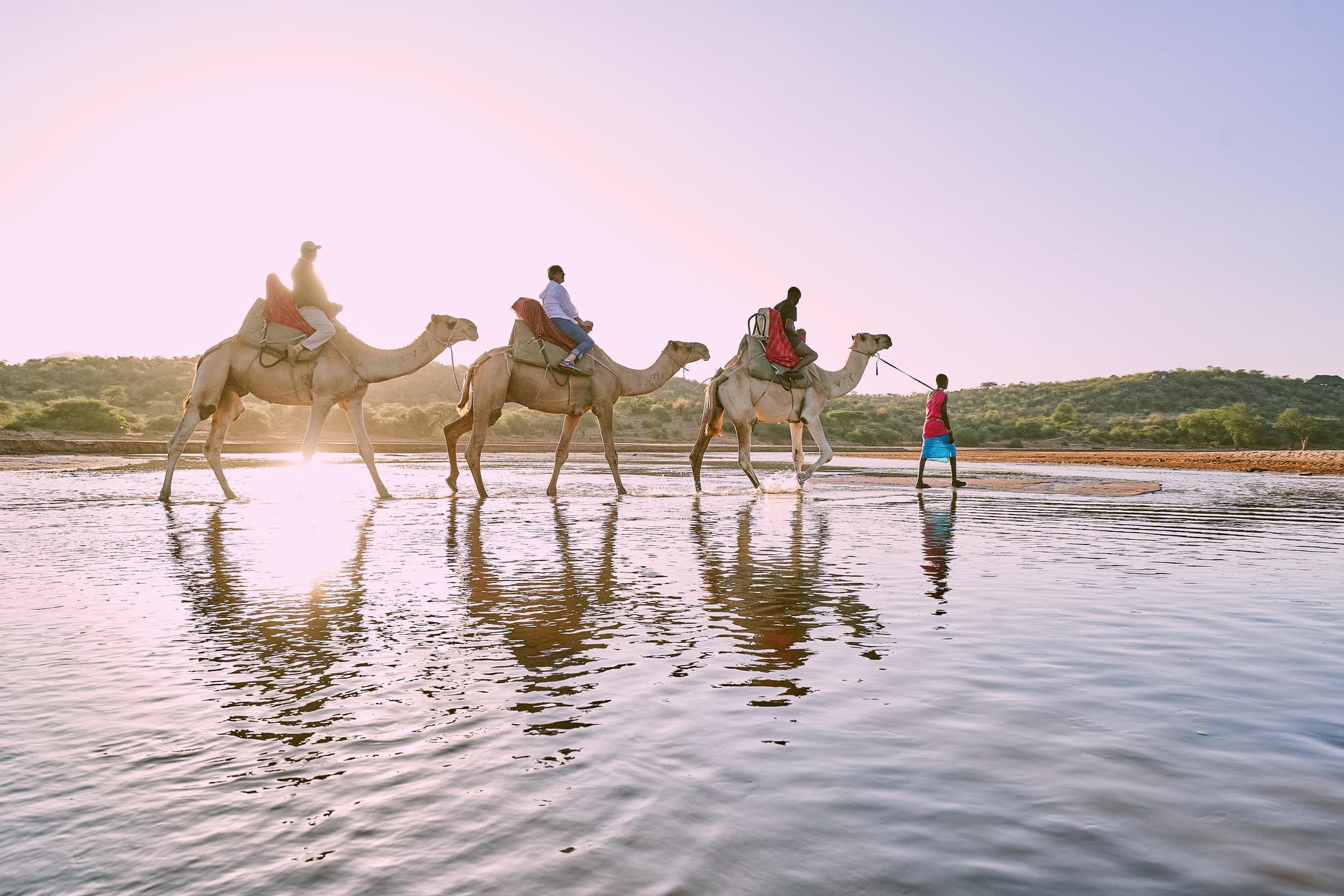
A camel safari is a multi-day, mobile experience that combines walking with travel supported by camels. While guests may ride at times, the experience is largely on foot, with camels used to carry supplies, luggage, and camp equipment.
Typically set in northern Kenya, particularly Laikipia and surrounding conservancies, camel safaris are slower and more immersive, moving through remote landscapes over several days.
The emphasis is less on wildlife sightings and more on the journey itself, the rhythm of travel, the sense of space, and the connection to local communities, often guided by Samburu or Laikipiak Maasai teams.
Key Differences at a Glance
Walking safaris are:
- Shorter, guided excursions based from a lodge or camp
- Focused on wildlife interpretation and ecology
- Easily incorporated into most safari itineraries
- Suitable for a wide range of guests
Camel safaris are:
- Multi-day, mobile experiences
- Focused on journey, landscape, and cultural connection
- More remote and logistically complex
- Best suited to more adventurous or repeat travellers
Who a Walking Safari Is Best For
Walking safaris are ideal for:
- First-time safari travellers looking to enhance a traditional experience
- Guests interested in learning about the environment in more depth
- Those who prefer comfort and a fixed lodge base
- Families with older children
They offer a highly accessible way to experience the landscape differently, without significantly altering the structure of an itinerary.
Who a Camel Safari Is Best For
Camel safaris are best suited to:
- Repeat safari travellers seeking something more distinctive
- Guests looking for a deeper, more immersive connection to the landscape
- Those comfortable with a more active, outdoor-led experience
- Travellers interested in culture and community interaction
They are particularly rewarding for those willing to trade a degree of comfort for a more meaningful and memorable journey.
How to Choose the Right Experience
The choice ultimately comes down to the type of journey being designed.
For a first-time visitor to Kenya, a walking safari works well as an addition to a classic itinerary, offering variety without complexity.
For a returning traveller, or for those seeking something more experiential, a camel safari provides a completely different perspective, one that focuses less on sightings and more on the journey itself.
In many cases, the two can complement one another, forming part of a broader, well-balanced itinerary.
Where They Fit Within a Kenya Journey
Walking safaris are easily incorporated into most conservancy-based stays, particularly in Laikipia and the Maasai Mara.
Camel safaris are best positioned as a dedicated two to three night experience within northern Kenya, often combined with a traditional safari and, where relevant, a coastal extension.
Both walking and camel safaris offer a deeper way to experience Kenya, shifting the focus from simply observing wildlife to engaging more fully with the landscape.
Choosing the right one is not about which is better, but which is better suited to the traveller, and when carefully matched, either can become a defining part of the journey.