The Great Migration is often described as one of the world's greatest wildlife spectacles. Each year, more than a million wildebeest, accompanied by hundreds of thousands of zebra and gazelle, move between Tanzania's Serengeti and Kenya's Maasai Mara in search of fresh grazing.
For many travellers, witnessing the migration is a lifelong dream. Yet despite the abundance of information available online, there are several misconceptions that can lead to unrealistic expectations and, ultimately, a less rewarding safari experience.
Here are some of the most common mistakes first-time visitors make and what to consider instead when planning a migration safari in 2026.
Assuming River Crossings Happen Every Day
Perhaps the biggest misconception is that dramatic river crossings are guaranteed.
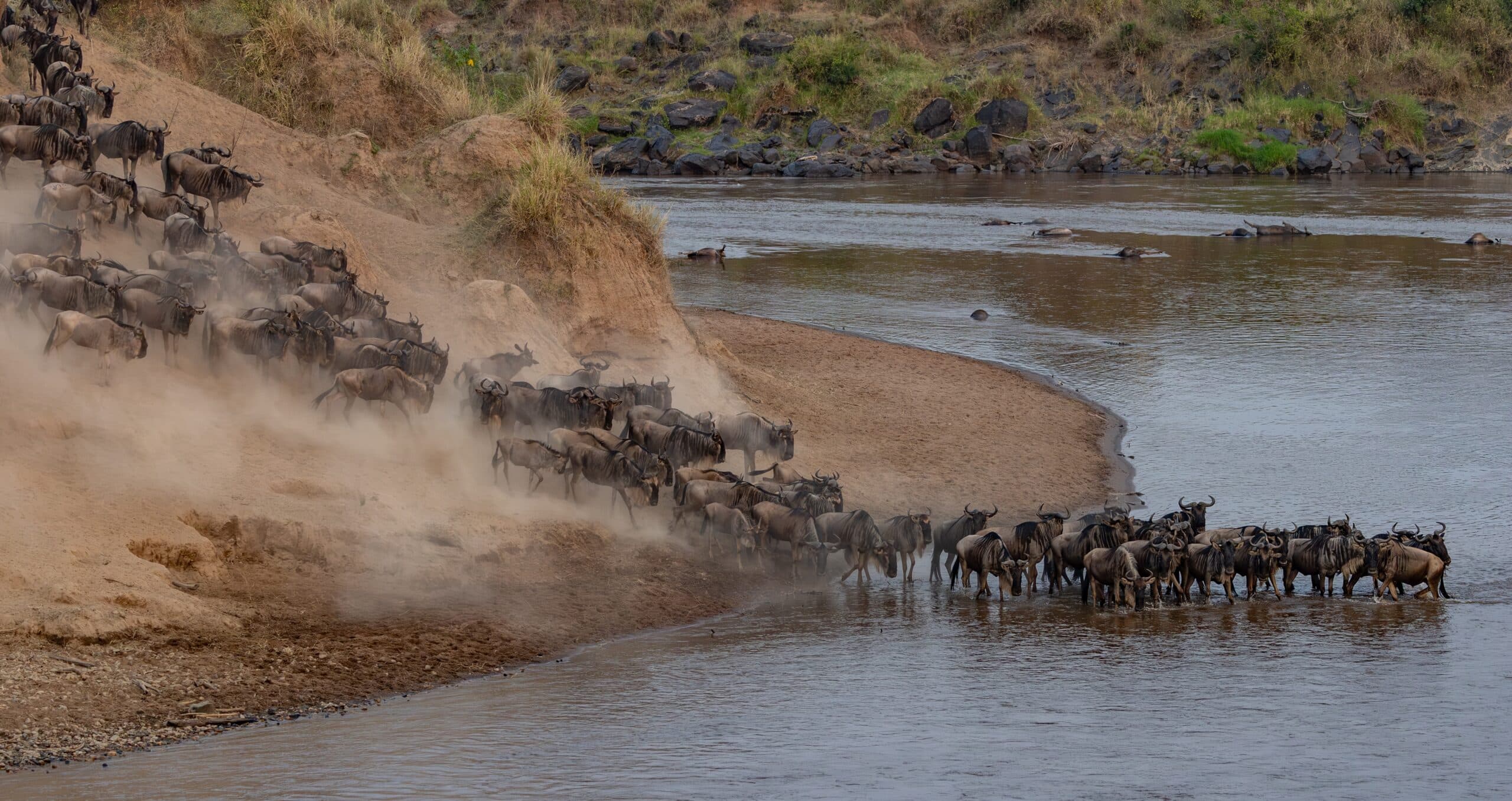
While images of wildebeest plunging into crocodile-filled rivers dominate travel brochures and social media feeds, crossings are unpredictable.
Herds can gather on the riverbanks for hours, or even days, before deciding to cross. On some days, multiple crossings may occur. On others, none at all.
The migration is not a scheduled event, and that unpredictability is part of what makes it so remarkable.
Believing July and August Are the Only Months Worth Visiting
Many travellers focus exclusively on July and August, believing these are the only worthwhile months to visit the Maasai Mara.
In reality, the migration is a dynamic movement that unfolds over several months. Depending on rainfall patterns, large herds may arrive earlier or later than expected. September and October often provide exceptional game viewing, excellent weather, and fewer vehicles than peak season.
For travellers seeking a more relaxed safari experience, these shoulder months can be particularly rewarding.
Choosing Location Based on Price Rather Than Position
Not all safari camps offer the same access to migration activity.
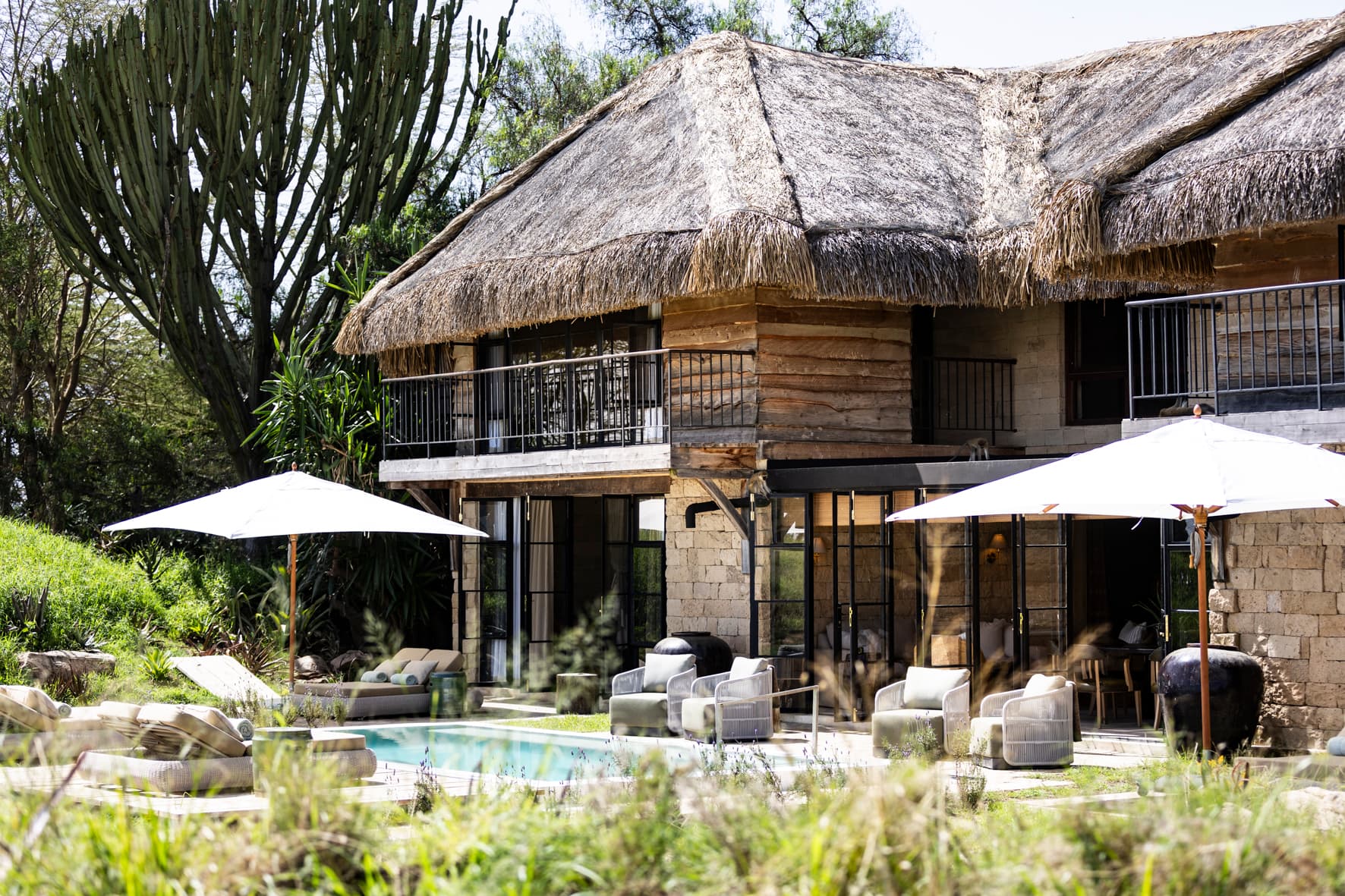
A camp's location within the ecosystem can have a significant impact on daily game viewing opportunities. Areas bordering key migration routes or close to river crossing points often provide quicker access to wildlife activity and reduce time spent driving.
Working with a safari specialist who understands seasonal wildlife movements can make a substantial difference to the overall experience.
Focusing Only on the Migration
Many first-time visitors become so focused on seeing the migration that they overlook everything else the Maasai Mara has to offer.
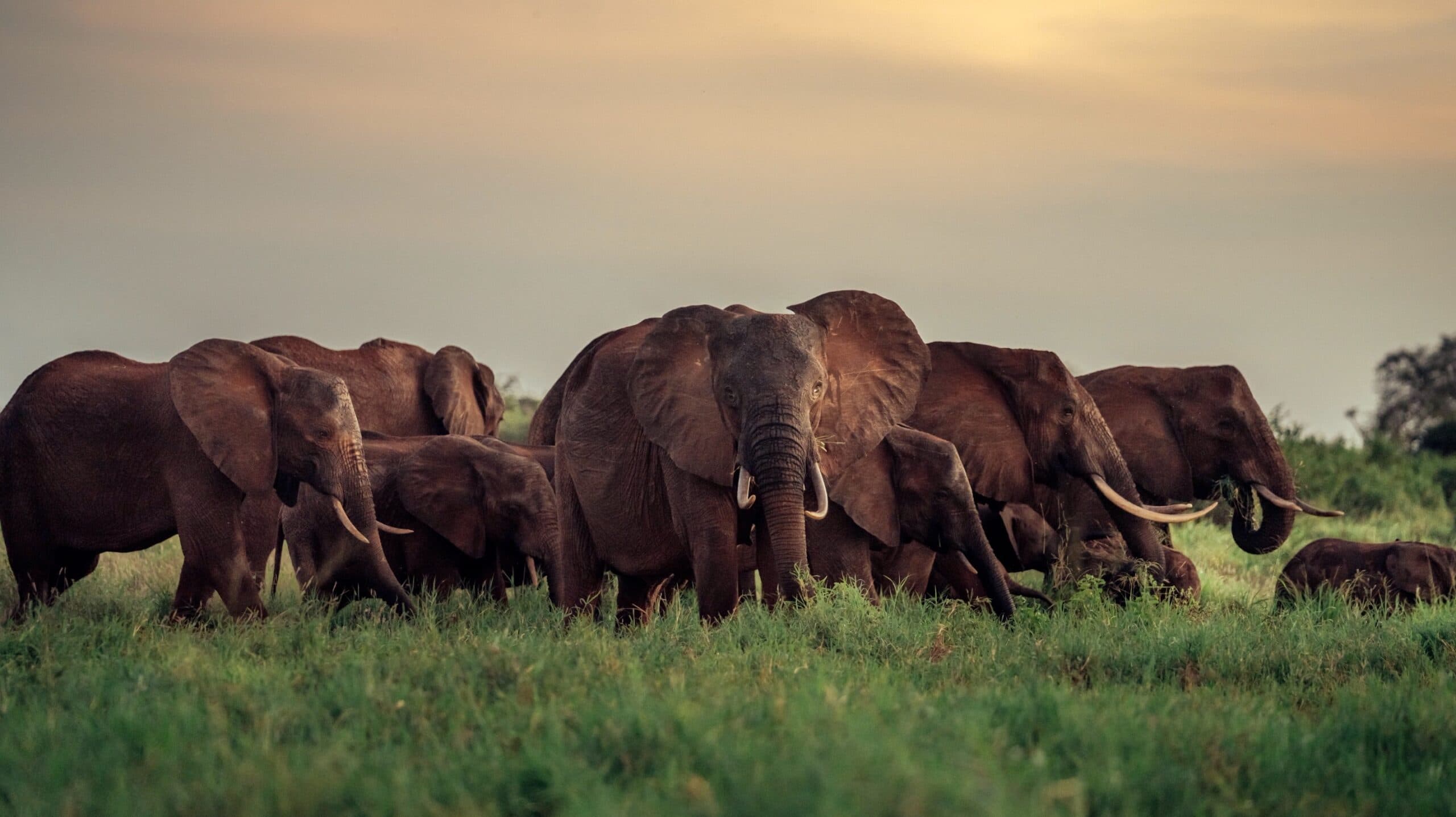
The reality is that the Mara is one of Africa's finest year-round wildlife destinations. Lions, leopards, cheetahs, elephants, giraffes, and countless other species are present throughout the year.
Even on days when migration herds are not nearby, the quality of wildlife viewing can be extraordinary.
Assuming More Vehicles Mean Better Sightings
The most famous migration locations often attract the highest number of vehicles.
While this can sometimes increase the chances of witnessing a major event, it can also result in crowded sightings and a less immersive experience.
Many experienced safari travellers now choose conservancies such as Mara North and Naboisho, where vehicle densities are lower, guiding standards are exceptionally high, and activities such as walking safaris and night drives provide a richer understanding of the ecosystem.
Booking Too Short a Stay
One of the most common mistakes is allocating only two nights to the Maasai Mara.
The migration is a natural event, not a performance. Wildlife movements, weather, and animal behaviour can change daily.
A longer stay allows for greater flexibility and significantly improves the chances of witnessing memorable wildlife encounters.
For migration safaris, a minimum of three to four nights is generally recommended, while many travellers choose to combine multiple conservancies for a broader perspective of the ecosystem.
Expecting Every Safari to Look Like Social Media
Social media often creates unrealistic expectations of constant action and dramatic wildlife encounters.
The true magic of safari lies in its unpredictability. Some of the most memorable moments are often the quietest: a pride of lions resting beneath an acacia tree, elephants moving silently across the plains at sunrise, or a spectacular Mara sunset after a day spent exploring the wilderness.
A successful safari is about far more than a single river crossing.
Planning Your Great Migration Safari in 2026
The Great Migration remains one of Africa's most extraordinary natural events, but the best experiences often come from understanding what makes it unique.
At Hemingways Safaris, our journey designers create bespoke itineraries based on seasonal wildlife movements, preferred travel styles, and the experiences that matter most to each guest. Whether your priority is witnessing a river crossing, exploring the quieter conservancies, or combining the Maasai Mara with other destinations across East Africa, our team can help design a safari that makes the most of your time in the region.
After all, the migration is not just about where the herds are today. It is about experiencing one of the world's last great wildernesses in a way that feels personal, meaningful, and unforgettable. Flexibility, expert planning, and realistic expectations are far more valuable than chasing a single moment.